
Microchip 93LC46BT/SN 1K Microwire Serial EEPROM: Features and Application Design Considerations
The Microchip 93LC46BT/SN is a 1K-bit Microwire serial Electrically Erasable Programmable Read-Only Memory (EEPROM) that serves as a fundamental component for non-volatile data storage in a vast array of electronic systems. Organized as 64 x 16 or 128 x 8 bits, this memory IC is designed for applications requiring reliable storage of configuration settings, calibration data, or user preferences. Its enduring popularity is attributed to its simplicity, robustness, and low power consumption.
Key Features and Specifications
The 93LC46BT/SN boasts a set of features that make it suitable for industrial, automotive, and consumer applications. Key characteristics include:
Microwire Serial Interface: This simple, 3-wire (CS, SK, DI) synchronous protocol facilitates easy communication with a wide range of microcontrollers (MCUs) and processors, reducing the number of required I/O pins.
Wide Voltage Operation: It supports a broad operating voltage range from 2.5V to 5.5V, enabling compatibility with both 3.3V and 5V systems without the need for level shifters.
Low Power Consumption: The device features a low standby current and active current, which is critical for battery-powered and portable devices where extending operational life is paramount.
High Reliability: With 1,000,000 erase/write cycles endurance and data retention exceeding 200 years, it ensures data integrity over the lifetime of the product.
Software and Hardware Write Protection: Data can be safeguarded from accidental corruption using both software-controlled and permanent hardware write-protect schemes.
Extended Temperature Range: The industrial-grade temperature range (-40°C to +85°C) ensures stable operation in harsh environments.
Critical Application Design Considerations
Successfully integrating the 93LC46BT/SN into a design requires attention to several important factors:
1. Timing and Protocol Compliance: The Microwire protocol has specific timing requirements for signals like Chip Select (CS), Serial Clock (SK), and Data Input (DI). The microcontroller firmware must strictly adhere to the timing diagrams specified in the datasheet, including setup, hold, and clock high/low times, to ensure reliable communication.
2. Power Sequencing and Decoupling: Stable power is crucial during read and, especially, write operations. A 0.1μF ceramic decoupling capacitor should be placed as close as possible to the VCC and GND pins of the EEPROM to filter high-frequency noise and prevent spurious resets that could corrupt data.
3. Noise Immunity in the Circuit Environment: In electrically noisy environments (e.g., near motors, relays, or switching power supplies), the long traces to the EEPROM can act as antennas. Proper board layout is essential. Keep traces short, and consider using a series resistor on the SK and DI lines to dampen ringing and reduce EMI.
4. Write Cycle Timing (Critical): After issuing a WRITE or ERASE command, the device enters a self-timed internal write cycle (typically 5ms max). During this time, the device will not respond to any commands. The system microcontroller must wait for this duration before polling the device for status. Attempting to communicate during this window will be unsuccessful.
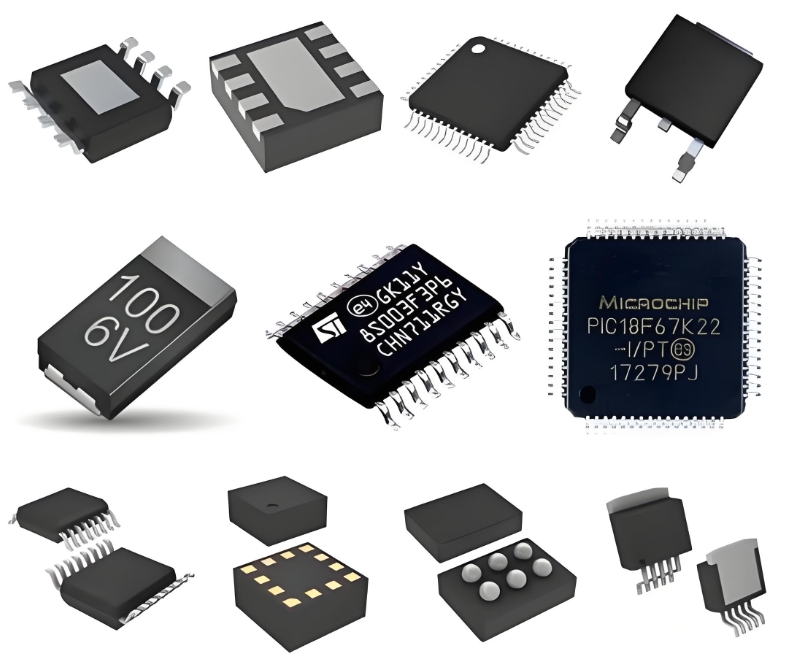
5. Packaging and Pinout (SN): The "SN" suffix denotes a standard 8-lead plastic SOIC (150 Mil) package. Designers must be mindful of the pinout, especially distinguishing between the ORG pin (which selects 8-bit or 16-bit organization) and the NC (No Connect) pins to avoid wiring errors on the PCB.
ICGOOODFIND
The Microchip 93LC46BT/SN remains a highly versatile and reliable solution for small-scale non-volatile memory needs. Its straightforward interface, wide voltage range, and exceptional durability make it an excellent choice for designers seeking a proven component for data storage. Careful attention to timing, power integrity, and board layout is the key to unlocking its full potential in any application.
Keywords:
Microwire Serial EEPROM
Non-volatile Memory
Low Power Consumption
Hardware Write Protection
Design Considerations

